


In this article
A portrait does not need to reproduce every pore, eyelash or strand of hair to make a person recognizable. From across a room, we often identify someone through a much smaller group of signals: the spacing of the features, the outline of the face, the shape of the hair, a familiar expression, posture, clothing or the setting associated with them.
That is especially important in paint by numbers, where a face is translated into separate areas of color. The current PaintEasy Portrait Paint by Numbers collection includes close-up faces, full figures, couples, families, performers, athletes, story characters, religious subjects, decorative muses and custom portraits. Their styles differ, but each one depends on deciding which visual information must remain clear.
Understanding those signals can help you choose a ready-designed portrait—and select a stronger photograph when you want to create a custom one.
Likeness Begins with Proportion, Not Tiny Detail
The Distances Between Features Matter
Eyes, nose and mouth do not work as three isolated objects. Their relative positions create the structure of the face. The width between the eyes, the distance from the brows to the nose and the space between the nose and lips can influence recognition more strongly than a single highlight or wrinkle.
In a numbered portrait, those relationships appear as neighboring color shapes. A shadow beside the nose helps establish its width. A darker area beneath the lower lip defines the mouth. The light on one cheek affects how the entire face turns toward or away from the viewer.
Judge a portrait from the whole arrangement before judging one small section. An unfinished eye may look strange because the surrounding brow, temple and cheek have not yet supplied the structure that makes it believable.
The Eyes Carry Direction as Well as Identity
A Small Change Can Alter the Expression
The eyes tell the viewer where the subject is looking. Their direction can make a portrait feel direct, private, joyful, distant or dramatic. This is why the pupil, upper eyelid and brow line deserve controlled brushwork even when the rest of the painting uses broader shapes.
A front-facing celebrity portrait may depend on direct eye contact. A fashion profile may reveal only one eye but use eyeliner, sunglasses or a strong brow as part of the visual identity. A couple seen from farther away may need very little eye detail because posture and interaction carry the relationship instead.
When the face is the main attraction, compare designs in Paint by Numbers Woman. This narrower branch includes close-ups, profiles, silhouettes, fashion-led figures and floral portraits, allowing facial structure to be compared without treating every human subject as the same kind of composition.
The Outer Silhouette Can Be More Recognizable Than the Face
Hair, Head Shape and Costume Establish the First Reading
Reduce a portrait to a dark silhouette and some subjects remain identifiable. A distinctive hairstyle, hat, crown, hood, helmet or pair of glasses can establish the identity before the viewer notices facial shading.
This principle is visible in portraits of performers, athletes and screen characters. A stage outfit, team shirt, superhero costume or signature accessory provides information that a realistic face alone cannot. The picture becomes recognizable through a combination of person and visual context.
That is why the Celebrity Paint by Numbers collection is a focused child branch of Portrait. These designs depend not only on a familiar face, but also on performance clothing, hairstyles, microphones, stadiums, lighting or poses associated with a public figure.
Posture Can Preserve a Relationship Without Detailed Faces
Two People Create Meaning Through Distance and Gesture
In a couple or family portrait, likeness is not limited to individual faces. The angle of two bodies, a hand placed on a shoulder, an embrace, the direction people are walking or the space between them can communicate the relationship.
A silhouette of two people may contain almost no facial information and still read clearly as romantic. A family releasing lanterns uses repeated gestures and shared attention. A wedding portrait may depend on the outlines of the dress and suit as much as on the bride’s and groom’s features.
If the connection between two people is the primary subject, browse Paint by Numbers for Couples. This branch includes romantic scenes and paired formats, while the broader Portrait collection also contains individuals, families, public figures and characters.
Background Details Explain Who the Person Is in the Picture
A Portrait Can Include a Full Environment
A portrait is not required to end at the shoulders. A dancer on a stage, a musician in a city street or a family beside a vintage car can remain a portrait when the person or relationship is still the main reason the image exists.
The setting supplies another layer of identity. Stadium lights place an athlete in a sporting world. Stained glass and a halo change the meaning of a central figure. Flowers can operate as decoration, symbolism or part of a fashion composition. A castle, ocean or night sky can turn a recognizable face into a fantasy character.
When faith and devotional meaning lead the choice more strongly than facial study, continue into Religious Paint by Numbers. Religious portraits overlap with Portrait because they center human or celestial figures, but their primary search intent is spiritual rather than simply representational.
Ready-Designed Portrait or Custom Portrait?
Choose a Ready Design for a Person, Character or Style Already Shown
A ready-designed kit already determines the subject, crop, clothing, background and palette. It is the right route when the visible artwork itself is what you want to paint—whether that means a public figure, fictional character, romantic scene, anonymous fashion portrait or art-inspired muse.
No personal photograph is required unless the individual listing explicitly provides an upload field. A portrait appearing in the main collection should not automatically be assumed to be customizable.
Choose Custom When Your Own Photograph Is the Subject
A custom portrait begins with a personal source image. It can preserve your own face, a family moment, a couple, wedding, anniversary, memorial photograph or another person you have permission to reproduce.
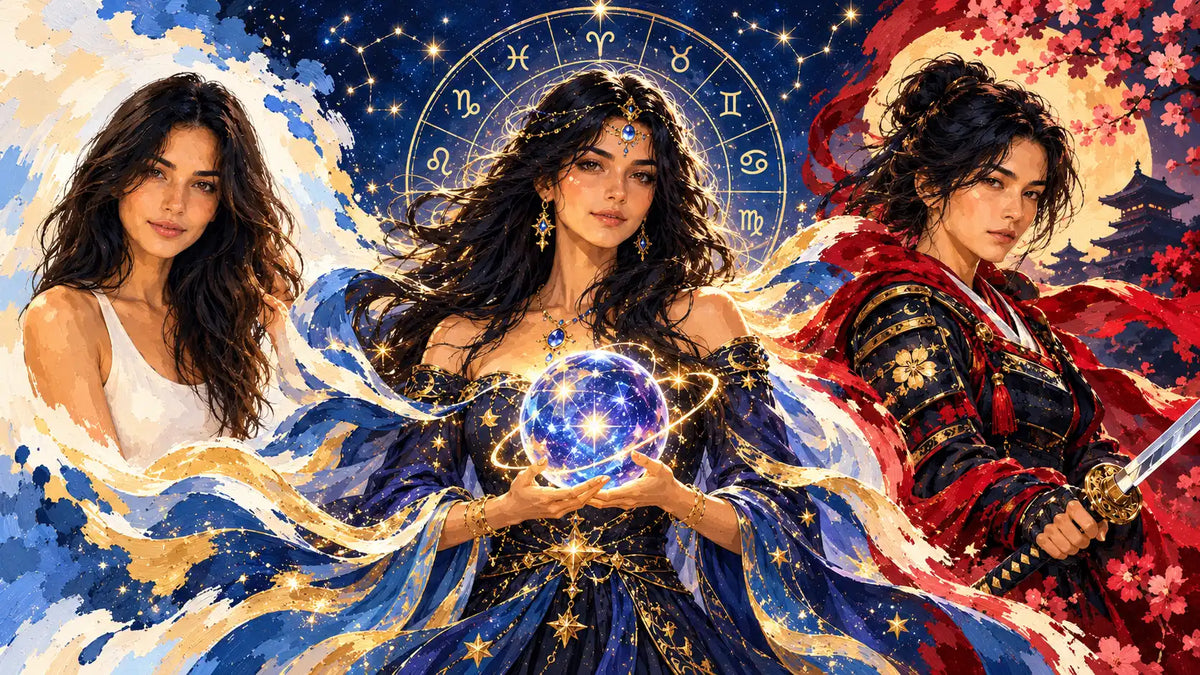
PaintEasy’s broader Custom Self Portrait Paint by Numbers collection includes both traditional photo conversion and themed transformations. The themed options place a recognizable face into prepared concepts such as a samurai, mermaid, elf, rockstar, cyberpunk character, mage or celestial figure. The exact upload requirements depend on the selected listing.
For a direct conversion of a personal photograph, use the Custom Paint by Numbers Kit from Your Own Photo. This product supports people, couples, families, weddings and memorial photographs, as well as pets, travel scenes and landscapes. After upload, PaintEasy prepares a preview so you can check the crop, subject placement and overall conversion before production begins.
How to Choose a Strong Photo for a Custom Portrait
Give the Face Enough Space in the Image
If facial likeness is the purpose of the portrait, avoid a photograph in which the person occupies only a small part of a wide background. Cropping closer gives the conversion more usable information around the eyes, mouth and outline of the face.
A full-body image can still work when clothing, pose or location is important. The decision is not always “closer is better.” It is which part of the photograph must remain recognizable after simplification.
Use Clear Light Across the Important Features
Choose a photograph in which the eyes, nose and mouth are visible without being lost in deep shadow. Strong backlighting can create an attractive photograph but may reduce facial information. Heavy filters can also replace natural shading with effects that are difficult to interpret as painted form.
Soft, even lighting is usually the safest option for a realistic portrait. More dramatic light can work when the silhouette or mood matters more than exact facial detail.
Avoid Screenshots and Small Social-Media Downloads
Use the clearest original file available. A screenshot, compressed message attachment or enlarged thumbnail cannot regain detail by choosing more paint colors. The source photograph needs to contain that information first.
Only upload a photograph that you own or have permission to reproduce. A custom service should not be used to copy third-party professional photography or copyrighted artwork without authorization.
Simplify a Background That Competes with the Face
A crowded room, group of distant people or dense pattern can create many small numbered sections without improving the portrait. If the background does not contribute to the memory, request a tighter crop or simpler subject focus before approving the preview.
If the place matters—such as a wedding venue, family home or travel destination—keep enough of it to explain the moment. Customization is not about removing every background; it is about deciding what deserves visual priority.
Match the Custom Options to the Photograph
Size Should Reflect the Number of Faces
The custom product currently offers 16 × 20 in, 20 × 24 in and 23.5 × 31.5 in options. A 16 × 20 in canvas suits one person or a simple photograph. The larger sizes provide more room for couples, families, group portraits and developed backgrounds.
More people generally mean each face occupies less of the canvas. If every expression needs to remain readable, a larger size or closer crop is more useful than adding detail to a very crowded composition.
Color Count Changes Shading, Not Source Quality
The current direct custom kit offers 24, 36 and 48 colors. Twenty-four colors create a simpler, faster interpretation suited to one clear subject and broad shapes. Thirty-six colors provide a balanced level of shading and are the recommended starting point for most portraits, couples and pets. Forty-eight colors create smoother transitions for detailed faces, clothing and backgrounds but usually require more painting time.
More colors cannot repair a blurred face. Select the source photo first, then choose the color level according to the amount of shading you want to preserve.
Choose the Identity You Want the Painting to Keep
For a ready-designed portrait, ask what makes the subject recognizable: facial proportion, eyes, silhouette, costume, gesture or environment. Choose the composition whose defining signals you will enjoy building section by section.
For a personal portrait, begin with the clearest image that preserves what matters about the person or relationship. Decide whether the face, pose, clothing or setting tells the story, then use the preview process to confirm that the conversion gives that element enough attention.
Explore the Portrait Paint by Numbers Kits for existing subjects, or turn a photograph from your own life into a painting through PaintEasy’s custom options.