
A more personal way to decorate
Make the Wall Feel Like Part of Your Home
The most memorable rooms rarely depend on a single expensive object. They feel complete because color, scale, light and personal details work together. Artwork plays a special role in that balance: it can connect a sofa to a rug, soften an empty bedroom wall or give a home office a focal point that feels energizing without becoming distracting.
Paint by numbers adds another layer to home decor because the finished image carries the experience of making it. Instead of choosing art only for its subject, you can consider how the palette supports the room, where the canvas will sit and what atmosphere you want to create. For a truly personal focal point, turn a favorite photograph into custom paint by numbers wall art.
Interactive styling tool
See the Art in a Room Before You Choose
Switch between six room settings, then select an artwork style. The preview is a visual planning aid, so always check the exact canvas dimensions and orientation on the product page.
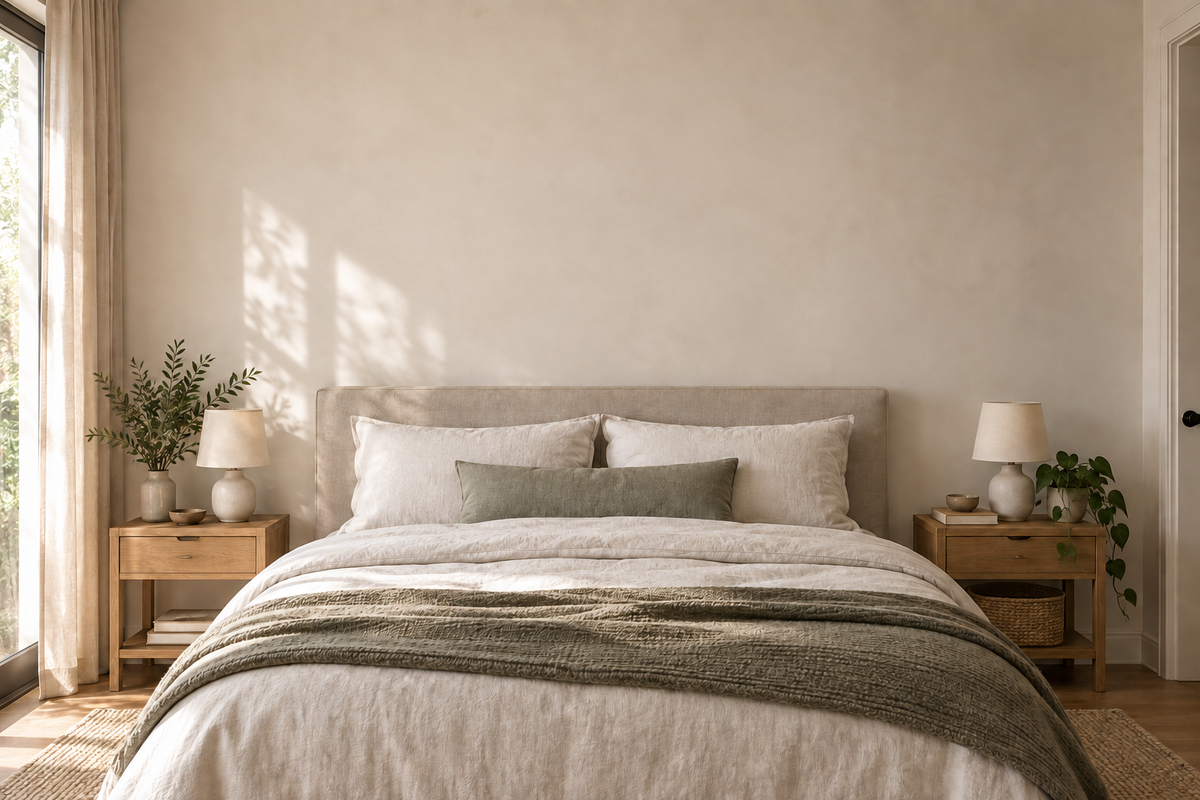
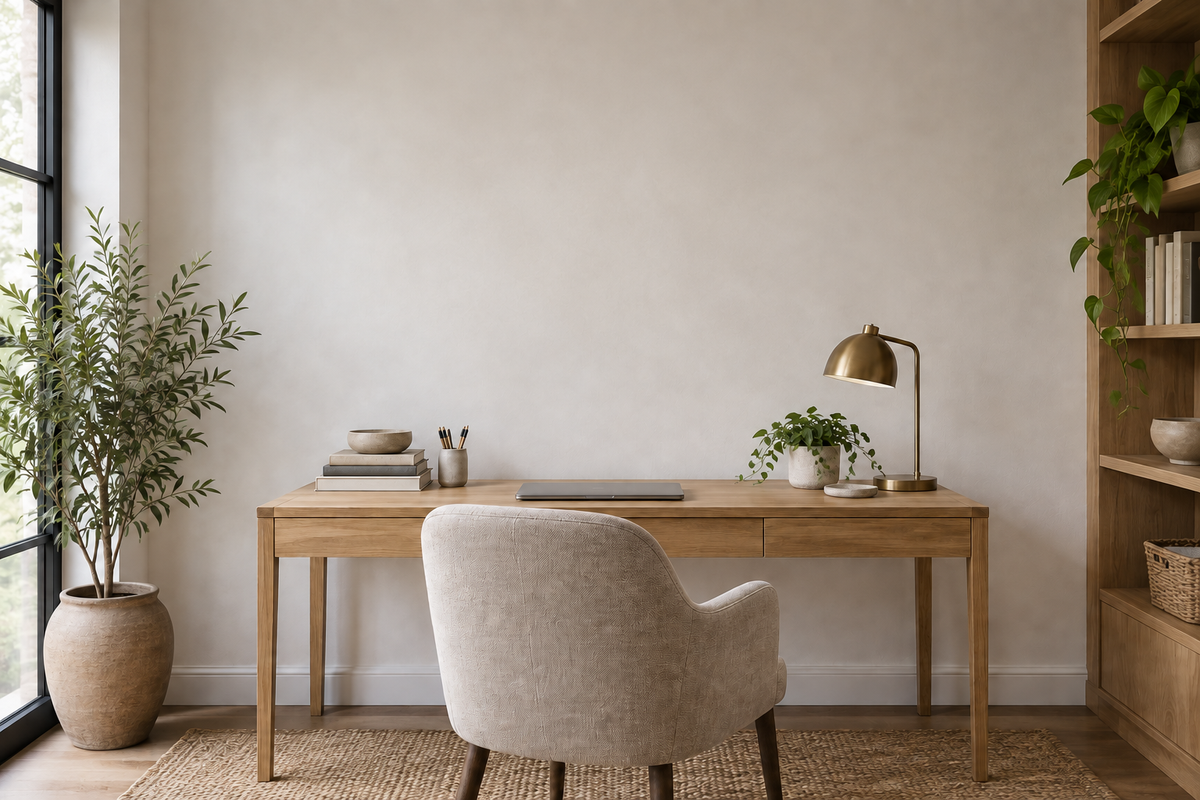
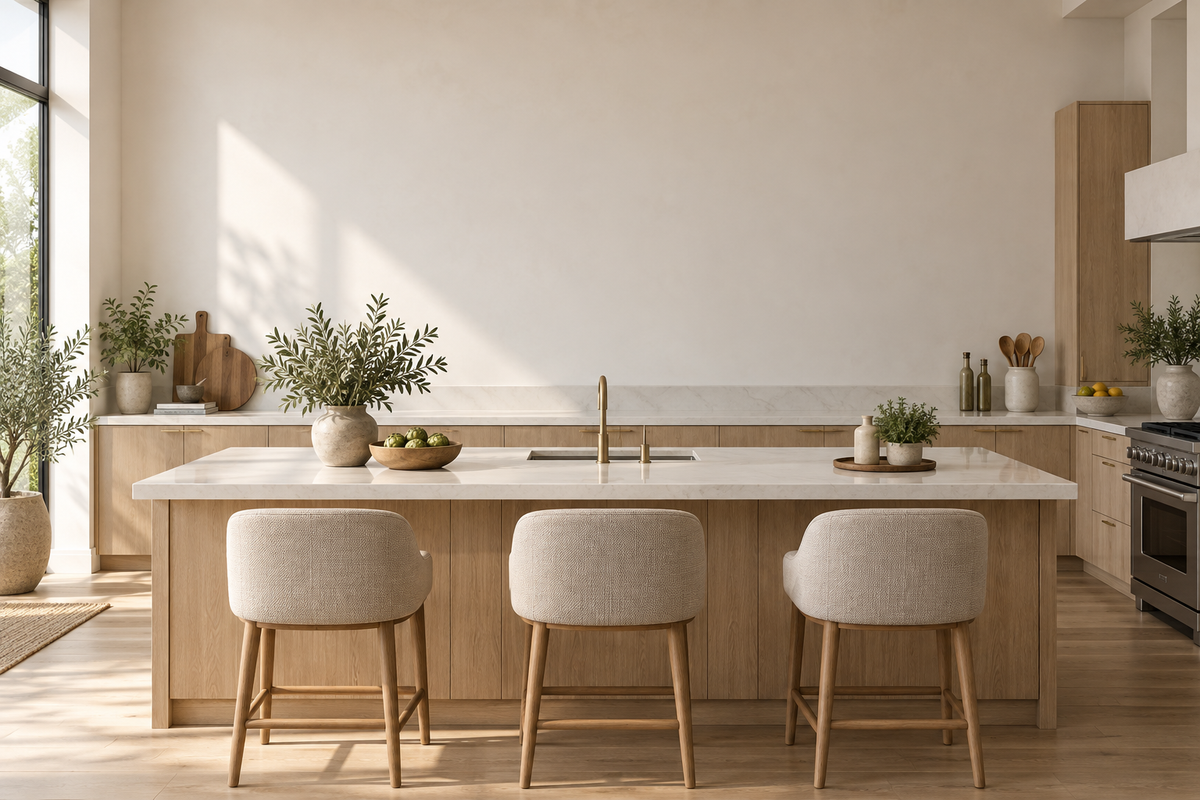
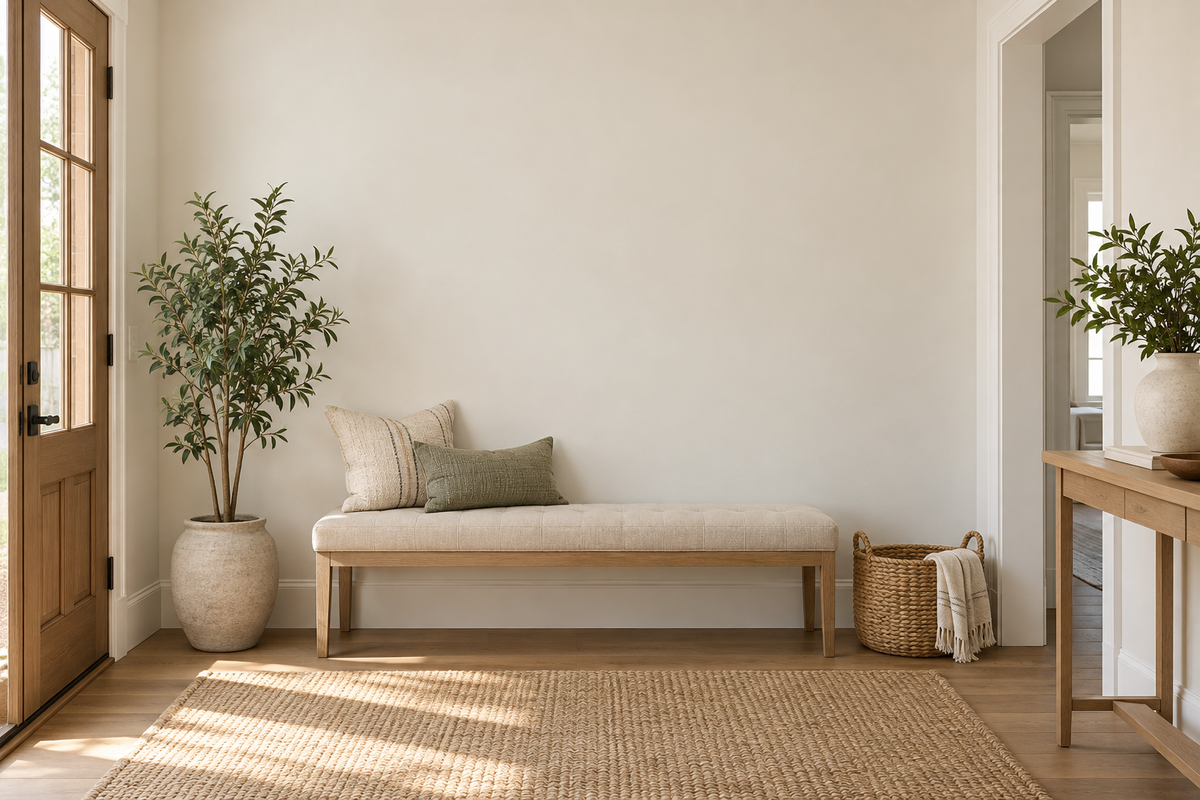

Start with proportion
Choose a Scale That Belongs on the Wall
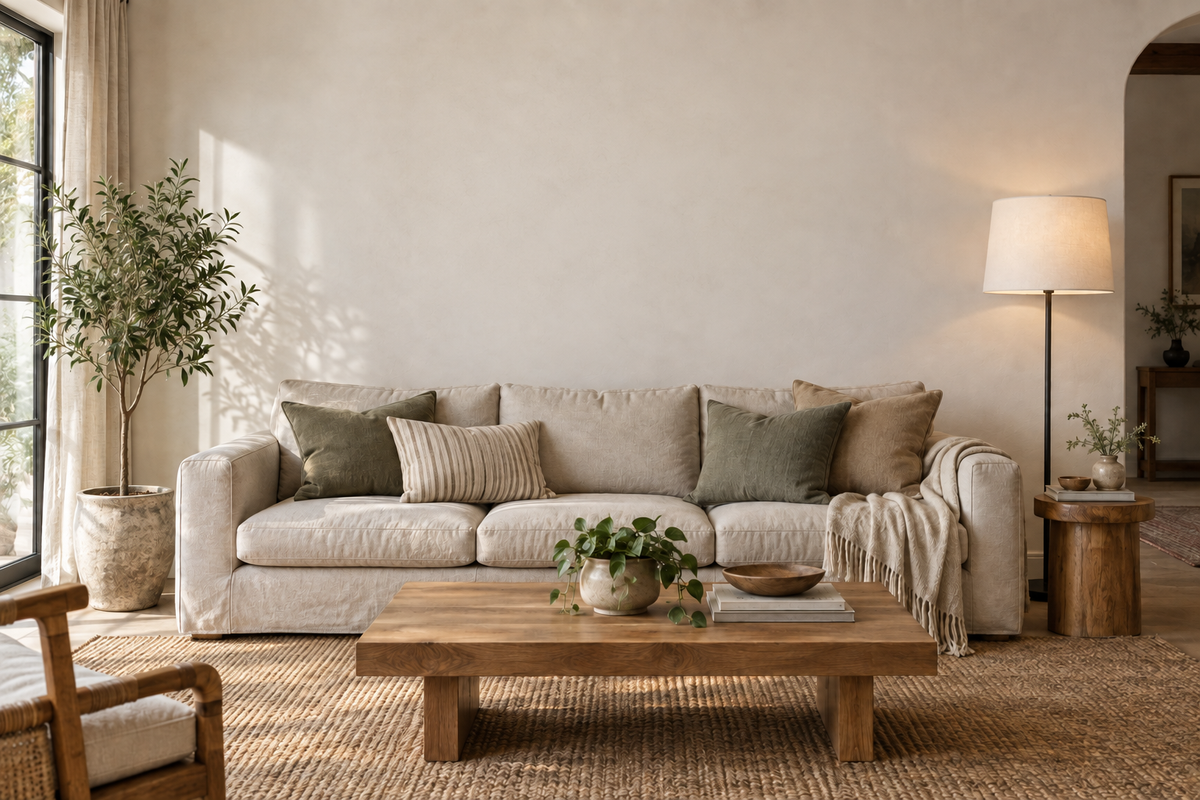
Before thinking about colors or subjects, look at the available wall area and the furniture beneath it. A piece above a sofa, bed or desk should feel visually connected to that furniture rather than floating alone. Mark the intended outline with removable tape or paper, step back to the room entrance and check the balance from the position where you usually see the wall.
Orientation matters as much as overall size. Horizontal artwork naturally follows a long sofa, console or headboard, while a vertical design can add height beside a narrow cabinet or in a reading corner. For a wider statement above furniture, compare a single canvas with our 3 panel paint by numbers designs.
Decorate room by room
Let the Function of the Space Guide the Art
The same painting can feel quiet, dramatic or playful depending on where it is placed. Begin with how the room is used, then choose the mood you want the artwork to reinforce.
Living room
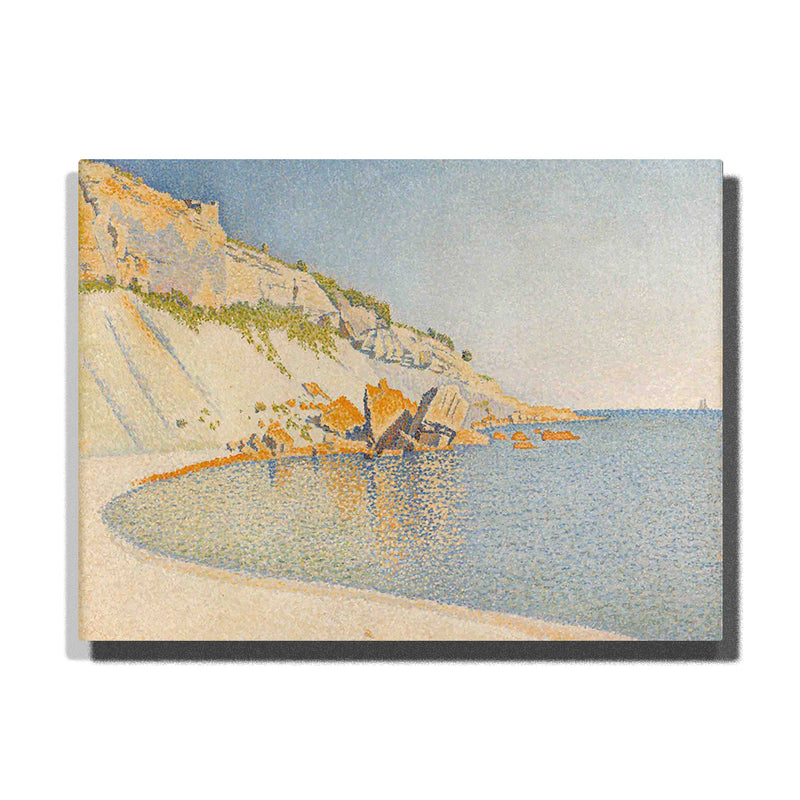
A living room can support a confident focal point because it is designed for gathering and conversation. Landscape paint by numbers can open the view, while cityscape designs introduce structure. Echo one color from the artwork in a cushion, throw or vase to connect the wall to the rest of the room without matching every detail.
Bedroom
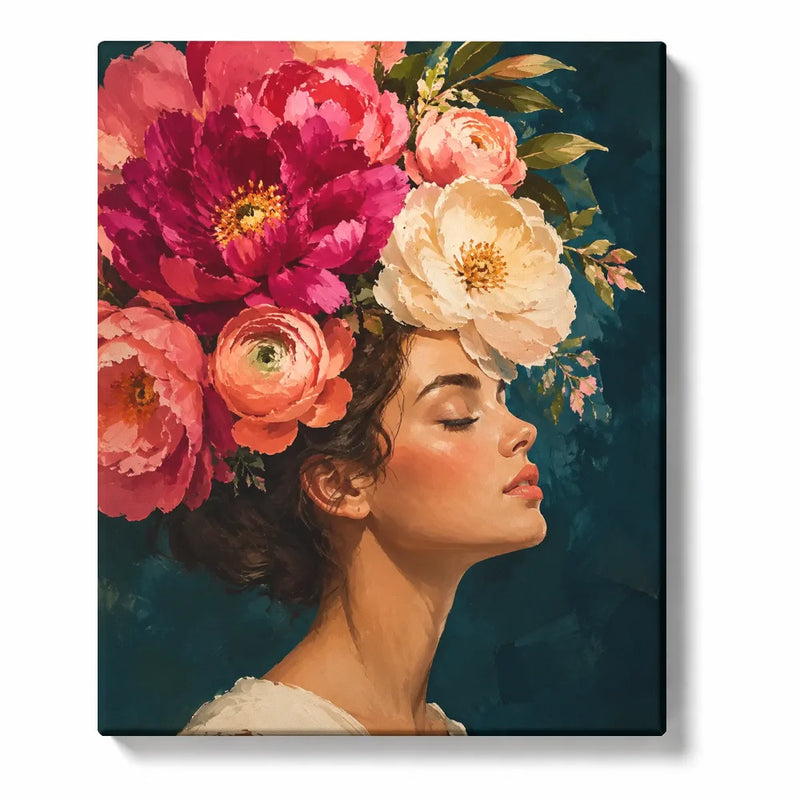
Bedrooms often benefit from softer contrast and a calmer visual rhythm. Explore flower paint by numbers or quieter botanical designs to add personality while keeping the space restful. Consider how the painting looks in both daylight and warm evening light, since those conditions may change the way its colors feel.
Home office
For a workspace, select art that gives the eye somewhere pleasant to rest. Clear compositions, uplifting color and architectural subjects can bring energy without adding clutter. Position the artwork where it can be enjoyed from the desk, while avoiding a placement that competes with a screen or busy storage area.
Build a palette
Use Color to Connect the Painting and the Room
A room does not need an exact color match. Start by identifying the dominant neutral and two or three supporting colors already present in the walls, upholstery, bedding or wood. Artwork that repeats one of those supporting tones will feel connected, while a contrasting accent can bring the room to life.
Pay attention to color temperature as well. Blues, greens and cool neutrals often create an open, calm feeling; terracotta, gold, coral and warm pink can make a space feel more intimate. If the room already contains several strong colors, choose a composition with clearer areas of rest. In a neutral room, a brighter painting can become the deliberate center of attention.
Finish the composition
Place, Frame and Light the Finished Artwork
Good placement considers the whole wall rather than the canvas alone. Align the artwork with the furniture grouping, not necessarily the center of the room. In a gallery arrangement, begin with the main painting and add smaller objects around it while keeping the spaces between pieces visually consistent.
A frame can create separation between the artwork and a patterned wall, or repeat a material already used in the room. Before framing, let the finished painting dry fully and choose a display method that fits the exact canvas dimensions. Avoid assuming that two products share the same measurements simply because their images appear similar online.
Natural and artificial light affect both visibility and mood. A softly lit wall often shows color more comfortably than a surface with strong glare. Observe the location at different times of day before committing to the final position, and keep the artwork away from conditions that could expose it to unnecessary moisture or heat.